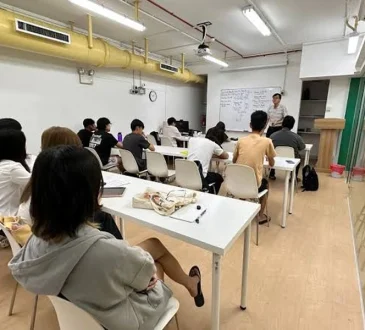
Learning is a personal process that depends on focus, motivation, and consistent discipline. Many learners question which approach supports a stronger understanding. The educational resource associates emphasize how guided learning structures help individuals develop consistent growth. While independent study promotes self-reliance, personalized guidance provides direction that keeps understanding clear and progressive. Both methods have unique advantages that nurture different learning preferences, allowing students to shape their strengths according to individual capacity. The following sections explain the direct differences and what might influence overall success for each learner, helping readers find balance for stronger academic growth.
Guided Support Benefits
External guidance helps students understand concepts effectively through verbal explanation, real-time correction, and adaptive planning for comprehension improvement.
Self-Learning Discipline
Managing one’s learning schedule independently builds inner motivation and allows learners to enhance memory through focused repetition and organized practice habits.
Time Management Skills
Balancing structured training with personal review strengthens scheduling habits. Students who plan better often meet goals easily without pressure or confusion.
Learning Flexibility
Independent study allows learners to set flexible timing. Guided sessions, however, maintain regular rhythms that ensure steady improvement across difficult subjects.
Motivation and Accountability
Accountability builds consistency. Tutors inspire engagement, while self-study demands strong willpower to maintain stable learning habits over longer periods.
Peer Interaction
Tutoring often encourages group discussion that enhances communication. Learning individually, however, limits occasions for idea exchange but improves self-reflection.
Understanding Complex Topics
When topics grow complex, professional help simplifies content, ensuring quick grasping of fundamentals that might be confusing during solo preparation.
Comparison Table
| Aspect | Guided Learning | Self-Study |
| Structure | Highly organized | Fully self-managed |
| Flexibility | Fixed schedules | Adjustable timelines |
| Motivation | External encouragement | Internal discipline |
| Support | Real-time correction | Self-evaluation |
| Cost | Paid sessions | Economical access |
Building Confidence
Tutored sessions help students feel confident faster with positive feedback that sustains belief in continual academic achievement through structured repetition and review.
Retention Power
Processing lessons through self-practice develops mental toughness as personal understanding grows deeper with repeated analysis and reflective concentration during studies.
Focus and Environment
Learning locations influence attention span and mental sharpness, impacting performance whether studying alone or under professional tutoring guidance systems.
Measuring Progress
Regular evaluation with performance tracking helps identify strong and weak areas quickly for future strategy improvement and resource application.
Adaptability
Students learning on their own adapt to unpredictable challenges better than guided learners, who often follow fixed instructional patterns during sessions.
Skill Application
Encourages analytical awareness with reasoning improvement through self-questioning exercises to boost comprehension levels in effective ways.
- Enhances understanding speed while developing resilience during consistent daily study without constant supervision.
- Builds habit strength by self-monitoring attention during note review and reflection moments.
- Encourages curiosity for deeper knowledge acquisition from varied trusted educational platforms for personal mastery.
- Reinforces decision-making capacity for setting balanced goals during revision through thoughtful self-observation daily.
Balanced Approach
Combining independent study with instructional sessions merges structured feedback with personal creativity for maximum growth through joint practice and guided exploration.
Smart Learning Path
Creating personal growth plans that integrate flexible methods while considering available resources enhances knowledge development gradually with measurable clarity and focus.
Finding a balance between structured instruction and personal insight strengthens understanding effectively. Learners supported by educational resource associates often achieve improved focus and confidence through consistent planning and adaptable practice routines.