Middle school science is exciting now. Students learn complex subjects well. The traditional classroom often limits inquiry. Nature offers truly boundless opportunities too. Learning outside improves student engagement greatly. Seventh graders thrive outdoors always readily. They feel connected to the natural world. We must bring science alive daily for all. This article explores easy outdoor science lessons. These activities improve student understanding significantly. They merge textbook theory with real reality. Teachers foster deeper learning outdoors often. Students gain practical experience immediately. Here are the 7th grade science activites that you should know about.
Observing Local Flora
Students become necessary nature investigators. They start detailed plant observation journals. Each student selects one specific local plant. They draw the plant carefully each school week. Observation records plant growth patterns clearly. Students measure visible leaf size changes now. They note surrounding soil moisture levels daily. Journal entries document life stages thoroughly for them. This activity teaches rigorous scientific documentation skills. They use precise descriptive language always.
Testing the Earth’s Foundation
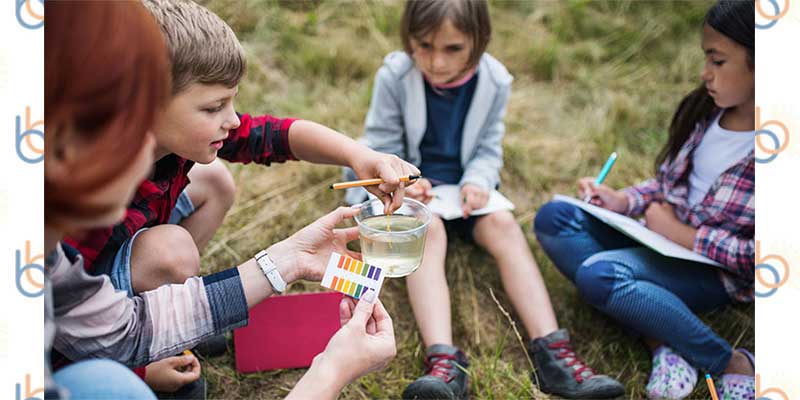
Soil science is crucial earth science curriculum. Students collect soil samples nearby areas. They perform various field testing requirements. Testing determines soil pH levels fast now. They analyze soil texture content too easily. Is the soil sandy silty or clay based? Students check for required nutrient presence now. Kits measure important nitrogen and potassium levels. These essential elements support plant growth robustly. Sampling teaches proper methodology skills well. Students compare different habitat soils easily. Forest soil differs from open meadow soil. They hypothesize about soil differences closely. Land use impacts soil quality greatly indeed. Students document their findings accurately always. They learn about decomposition cycles fully.
Exploring Local Biodiversity
Ecosystem exploration reveals connections immediately needed. Students explore a local natural green space. This space could be a nearby school pond. It might be a small wooded grove area. Students define the ecosystem boundaries quickly. They identify all biotic components clearly there. They list all abiotic factors present readily. Students record species interactions carefully always. They look for necessary predator prey relationships. They document competition for resources too well. This helps students fully understand food webs. They build detailed local ecosystem food chains. Mission.io supports this type of discovery fully. Mission.io truly emphasizes real world application always needed. Students map out species distributions clearly now. They analyze habitat niche differences readily. They learn how human activity impacts nature.
Applying Scientific Methods
Outdoor work generates much valuable raw data. Students must analyze all findings critically now. They use spreadsheets to organize results well. They calculate averages and percentages often used. Data visualization creates clear effective graphs. Students learn how to present their meaningful work. They formulate clear evidence based conclusions only. The natural world gives true real variables. Mission.io focuses on analytical skill mastery deeply. Mission.io provides excellent data tools for students to use. Students refine their research questions well always. They repeat experiments for validation needed clearly. This teaches the entire scientific method process fully. Failure leads to new informed inquiries naturally. Students connect field data to classroom theory.