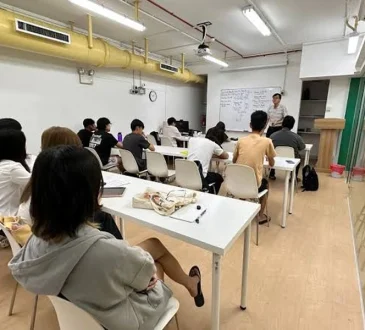
Several factors influence whether a job application results in an interview invitation, and understanding these can help job seekers focus their efforts where they matter most.
Before tailoring your application, it is helpful to understand how Job Seekers Improve Their Insights by analysing what employers consistently value throughout the hiring process. Reviewing job descriptions carefully, identifying recurring skills and qualifications, and comparing them with your own experience allows you to present stronger, more relevant applications. This thoughtful preparation helps ensure your resume and cover letter emphasise the qualifications that matter most, making it easier for recruiters to recognise your suitability for the role.
Relevance of Experience
Employers generally prioritise candidates whose experience closely matches the role’s requirements. Highlighting the most relevant parts of your background, rather than listing everything you have ever done, helps reviewers quickly see your fit for the position.
Clarity of Presentation
A well-organised resume that is easy to scan often performs better than one that is cluttered or difficult to follow. Clear headings, consistent formatting, and concise descriptions all contribute to a stronger first impression.
Keyword Alignment
Many employers use specific terms in their job postings that reflect the skills and qualifications they are seeking. Applications that naturally incorporate these terms, where genuinely applicable, tend to align more closely with what recruiters and screening systems are looking for.
Demonstrated Results
Candidates who can point to specific, measurable outcomes from previous roles often stand out more than those who only describe general responsibilities. Concrete examples give employers confidence in what you could achieve for their organisation.
Cultural and Value Fit
Beyond technical qualifications, employers often consider whether a candidate’s values and working style align with the organisation. Reflecting genuine interest in the company’s mission or approach within your application can support this perception.
Timeliness of Application
Submitting an application soon after a posting goes live can be advantageous, as some employers begin reviewing candidates early rather than waiting until the deadline. Prompt applications sometimes receive more attention simply due to timing.
Quality of References or Referrals
Where available, referrals from current employees or well-regarded contacts can significantly influence an employer’s decision to invite someone for an interview, as they offer a degree of trust beyond the application itself.
Consistency Across Materials
Discrepancies between a resume, cover letter, and professional profile can raise questions for employers. Ensuring consistency across all materials reinforces credibility and reduces the chance of confusion during review.
Attention to Detail
Small errors, such as typos or incorrect company names, can create a negative impression regardless of how strong the underlying qualifications are. Careful proofreading before submission remains an important factor.
Level of Genuine Interest Shown
Employers often notice when an applicant has made an effort to understand the role and organisation, as opposed to sending a generic application. Demonstrating specific, genuine interest can set a candidate apart from others with similar qualifications.
Conclusion
Understanding these factors allows job seekers to focus their preparation on the elements that genuinely influence an employer’s decision, improving the overall effectiveness of their applications. While no single factor guarantees an interview, paying attention to each of these areas collectively raises the odds considerably, helping candidates present the strongest possible version of their application.