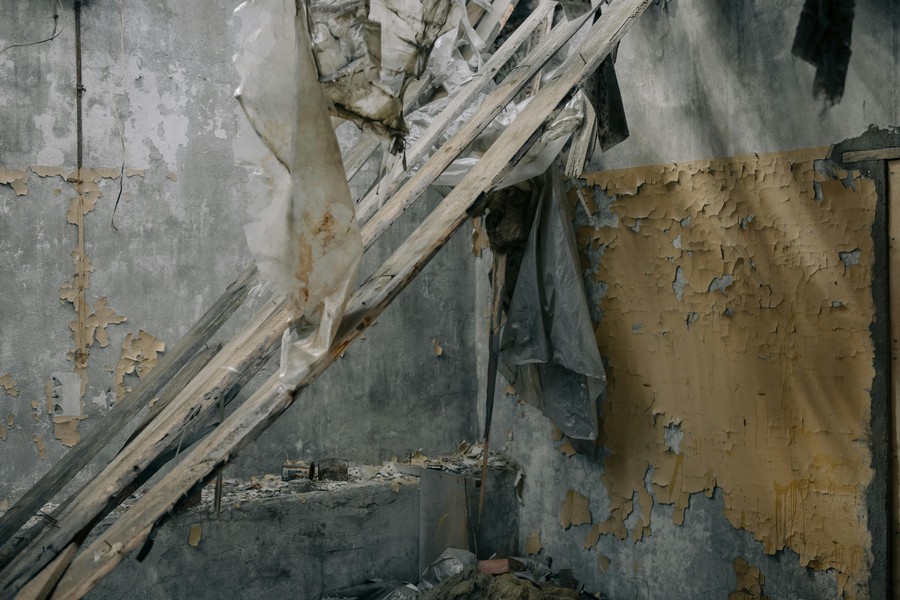
Office renovations are exciting projects. A refreshed workspace can improve morale, attract talent, and update a company’s image. But if your office is in a building that was constructed before 1980, there is an important step that must come before the first wall comes down or the first tile is pulled up: determining whether asbestos is present and planning carefully for how to handle it.
The Hidden Nature of Asbestos in Office Buildings
Unlike many construction hazards that are visible, asbestos-containing materials are often indistinguishable from their non-asbestos counterparts without laboratory testing. Floor tiles made with vinyl asbestos, ceiling tiles, textured paints, joint compound, and pipe insulation can all look perfectly ordinary. In many older office buildings, asbestos was used in ways that made it integral to the structure itself, such as in fireproofing sprayed directly onto steel beams or incorporated into the building’s HVAC system insulation.
Because the material is hidden in plain sight, many office renovation projects have run into serious trouble when workers began demolition work without knowing what was behind the walls, above the ceiling tiles, or under the flooring. The result can be widespread contamination of an occupied building, costly emergency remediation, and exposure of workers and tenants to hazardous fibers.
Testing Before You Touch Anything
The single most important rule in any renovation of an older building is to test before you disturb. Have a qualified, accredited asbestos inspector survey the areas where work is planned before any demolition, drilling, or removal begins. Do not assume that because the building looks modern or has been renovated before, it is asbestos-free. Previous renovations may have covered asbestos-containing materials rather than removed them.
The testing process involves collecting bulk samples from suspect materials and sending them to an accredited laboratory. Results typically come back within a few days. If no asbestos is detected in the sampled materials, you can proceed with renovation as planned. If asbestos is found, you need to assess whether the materials will be disturbed by your planned work and take appropriate action.
Understanding Your Options: Management vs. Abatement
Not all asbestos-containing materials need to be removed. If the material is in good condition and will not be disturbed by the renovation, encapsulation or simply leaving it in place under a management plan may be the appropriate course of action. This is often the case for floor tiles that are being covered with new flooring rather than removed, or for ceiling materials that are above a new dropped ceiling.
When the renovation will involve disturbing asbestos-containing materials, removal by a licensed abatement contractor is typically required. This involves setting up a containment area, using negative air pressure equipment to prevent fiber migration, removing and wetting materials before bagging them, and disposing of waste at an approved facility. Workers performing the removal must be trained and certified in accordance with federal and applicable state requirements.
Protecting Workers and Tenants During Renovation
If your office renovation is taking place in an occupied building, protecting both workers and the building’s other occupants is paramount. Even when proper containment is in place, renovation projects can generate disruption that affects adjacent tenants. Communication about the scope and timeline of asbestos work is essential.
OSHA requires that workers involved in any asbestos abatement project be trained to a level appropriate to the work being performed. Personal protective equipment requirements range from basic respiratory protection for lower-risk tasks to full supplied-air respirators and disposable coveralls for higher-risk Class I work. Employers who allow untrained workers to disturb asbestos-containing materials face significant regulatory and legal exposure.
Contractor Selection and Documentation
Choosing the right contractor is one of the most consequential decisions you will make in an office renovation involving asbestos. Verify that any abatement contractor you are considering holds the appropriate state license, carries adequate insurance, and has a documented track record of compliant projects. Ask for references from similar projects and check whether any enforcement actions have been taken against the contractor by state or federal regulators.
Once abatement work is complete, obtain a formal clearance air monitoring report demonstrating that fiber levels in the renovated area are within acceptable limits before workers or tenants return. Keep all inspection reports, laboratory results, contractor contracts, abatement completion records, and clearance reports in a permanent file. This documentation can be critical if your business is ever questioned about past asbestos handling.
The Bottom Line for Business Owners
Handling asbestos properly during an office renovation is not just a legal obligation, it is a basic responsibility to the people who work in and around your building. The cost of doing it right, including pre-renovation testing, licensed abatement where needed, and proper documentation, is manageable and predictable. The cost of getting it wrong, including regulatory fines, civil litigation, emergency remediation, and the human toll of preventable illness, is not.
Plan your renovation with asbestos in mind from day one, and you will protect your workers, your tenants, your business, and yourself.