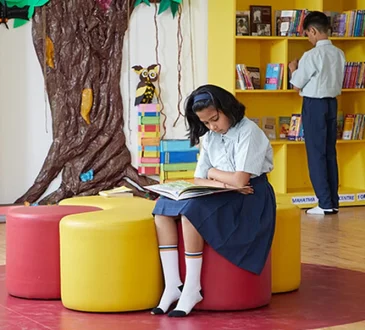
Reading opens doors to endless adventures for children. A quality phonics class gives your child the tools they need to decode words with confidence. When children master phonics skills early, they develop a strong foundation for lifelong learning.
Why Phonics Classes Matter for Students
Phonics instruction teaches children how letters connect to sounds in our language. This skill becomes vital when reading demands increase. Children face more complex texts that require solid decoding abilities.
Building Strong Foundation Skills
Children benefit greatly from structured phonics programmes. These classes help students recognise letter patterns and sound combinations. Children learn to break down unfamiliar words into manageable parts.
The Science Behind Phonics Learning
Research shows that phonics instruction works best when it follows a clear sequence. Children first learn individual letter sounds before moving to blends and combinations. This step-by-step approach helps students build confidence as they progress.
Choosing the Right Phonics Class for Your Child
Premium phonics programmes offer small class sizes and experienced teachers. These factors make a significant difference in your child’s learning experience. Look for classes that cater to the specific needs of students.
What to Look for in Quality Instruction
Effective phonics classes use multiple teaching methods to reach different learning styles. Visual learners benefit from letter cards and charts whilst auditory learners respond to songs and chants. Hands-on activities keep children engaged throughout the lesson.
Age-Appropriate Teaching Methods
Children need phonics instruction that matches their development stage. Teachers should use games and activities that challenge without overwhelming young minds. The best programmes balance fun with serious skill building.
Creating a Supportive Home Environment
Parents play a crucial role in reinforcing phonics skills at home. Set aside quiet time each day for reading practice. Create a cosy reading corner where your child feels comfortable exploring books.
Daily Reading Habits That Work
Establish a routine that includes phonics practice and free reading time. Start with short sessions and gradually increase the duration as your child’s attention span grows. Consistency matters more than the length of each session.
Making Reading Fun at Home
Turn phonics practice into enjoyable family activities. Play word games during car rides or whilst preparing meals. Encourage your child to sound out words they see on signs and packages.
Common Challenges in Phonics Learning
Some children struggle with specific letter combinations or sounds. These difficulties are normal parts of the learning process. Patient support and extra practice usually help children overcome these hurdles.
Overcoming Reading Difficulties
If your child shows signs of reading struggles, seek help early. Extra phonics support can prevent small problems from becoming bigger obstacles. Many children simply need more time and practice to master these skills.
Working with Teachers and Specialists
Maintain open communication with your child’s phonics class teacher. Share observations about your child’s progress and challenges at home. This partnership approach supports your child’s learning journey.
Signs Your Child Is Ready to Advance
Children show readiness for more complex reading when they decode simple words quickly. They begin reading short sentences without stopping at each word. Confidence grows as they tackle new books independently.
Moving Beyond Basic Phonics
Advanced phonics classes introduce children to longer words and complex spelling patterns. These skills prepare students for the reading demands of higher grades. Children learn to recognise common word families and spelling rules.
Building Vocabulary and Comprehension
Strong phonics skills support vocabulary development and reading comprehension. Children who decode words easily can focus on understanding meaning. This connection between phonics and comprehension strengthens throughout the years.
Long-Term Benefits of Quality Phonics Instruction
Children who master phonics skills in school become confident readers. They approach new texts with enthusiasm rather than fear. These early successes create positive associations with reading that last throughout their educational journey.
A well-structured phonics class gives your child the gift of reading confidence. These foundational skills open pathways to academic success and personal growth. Invest in quality phonics instruction to support your child’s bright future.