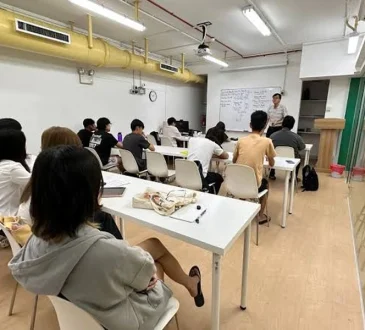
Starting a new career as an adult learner can be both exciting and challenging. Whether you are pursuing a long-held passion, adapting to industry changes, or seeking better opportunities, transitioning into a new field requires careful planning and determination. Following practical tips for adult learners starting a new career, such as identifying transferable skills and seeking flexible networking opportunities, can make the transition more manageable. With the right approach, adult learners can successfully build a rewarding and sustainable career that honors their previous experiences while embracing new growth.
Set Clear and Realistic Goals
The first step in starting a new career is defining what you want to achieve. Clear goals provide direction and help you stay focused throughout the transition.
Ask yourself:
- Which career path interests you the most?
- Which abilities should you work on enhancing?
- What timeline is realistic for your transition?
Setting achievable goals ensures steady progress and reduces uncertainty.
Identify and Use Transferable Skills
As an adult learner, you already have valuable experience. Many of your existing skills can be applied to a new career, giving you a strong starting point.
Examples include:
- Communication and interpersonal abilities
- Problem-solving and critical thinking
- Leadership and organizational skills
Recognizing these strengths allows you to confidently position yourself in a new field.
Commit to Continuous Learning
Learning is essential when starting a new career. You may need to gain new knowledge or upgrade your current skills to meet industry requirements.
Effective ways to learn include:
- Enrolling in certification programs or online courses
- Attending workshops and training sessions
- Participating in practical assignments or projects
Continuous learning helps you stay competitive and build confidence in your abilities.
Gain Practical Experience
Real-world experience holds equal value to academic or theoretical learning. It helps you understand real-world challenges and develop job-ready skills.
You can gain experience by:
- Taking up internships or part-time roles
- Volunteering in your chosen field
- Working on small freelance or personal projects
This hands-on exposure makes you more attractive to employers.
Build a Strong Professional Network
Networking plays a significant role in career growth. Building relationships with professionals in your chosen field can offer useful insights and create new career opportunities.
You can build your network by:
- Attending industry events and webinars
- Joining online professional communities
- Seeking mentorship from experienced individuals
Strong connections can help you navigate your career transition more effectively.
Manage Time and Stay Organized
Balancing learning, work, and personal responsibilities can be challenging. Effective time management is essential for staying on track.
Tips include:
- Creating a structured daily schedule
- Setting priorities for tasks
- Avoiding unnecessary distractions
Staying organized ensures consistent progress toward your goals.
Stay Positive and Persistent
Transitioning into a new career may come with challenges and setbacks. Keeping a positive outlook and remaining dedicated to your goals is essential.
Focus on:
- Learning from mistakes
- Celebrating small achievements
- Staying motivated despite difficulties
Persistence is key to long-term success.