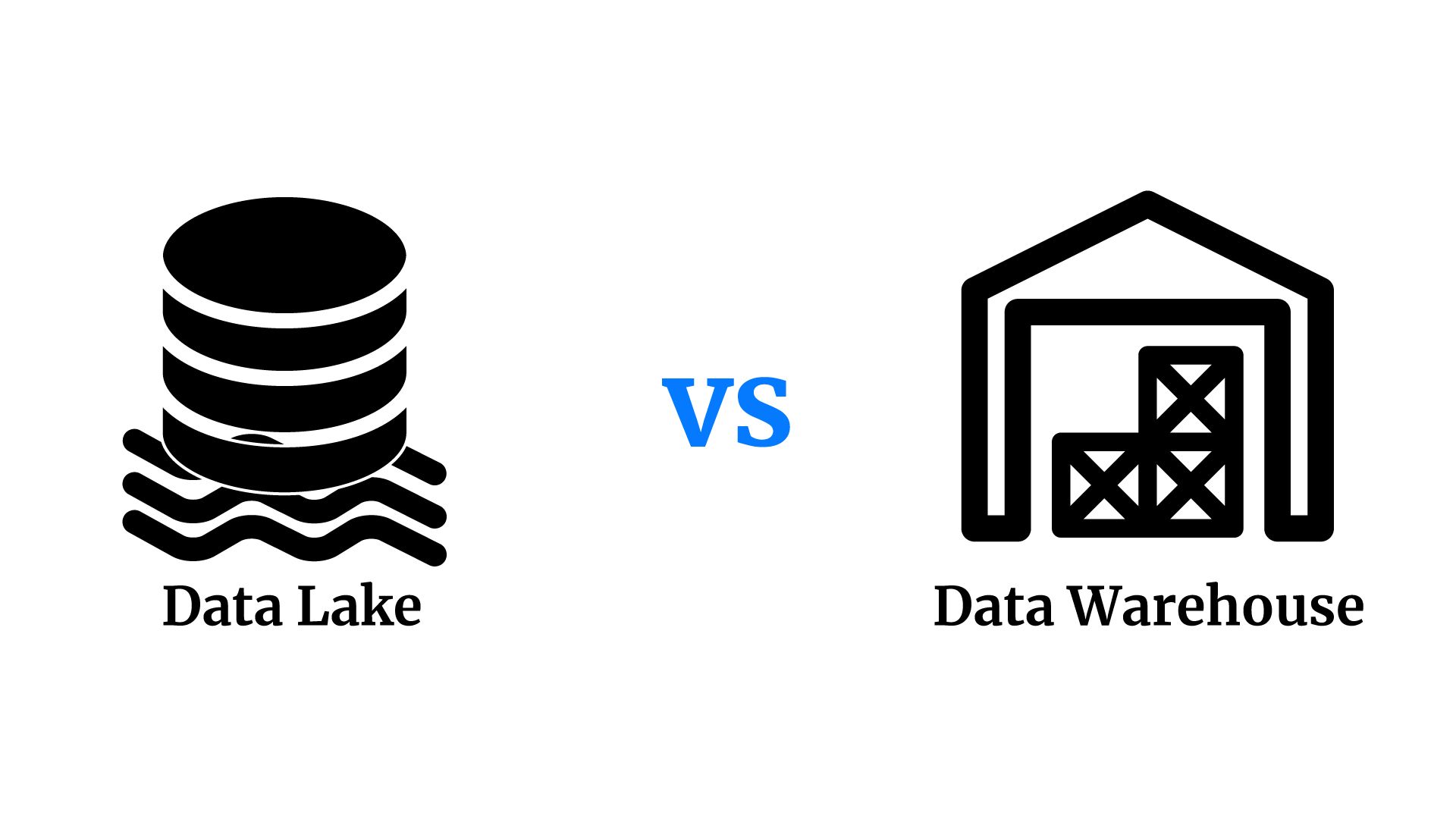
Walk into any modern business meeting, and you’ll hear the same buzzwords flying around—data, analytics, insights. Everyone seems to be chasing one big thing: making sense of all the information their company collects. The truth is, data itself isn’t valuable until you know how to use it. And that’s precisely where the discussion begins: should we rely on data lakes or data warehouses?
It’s not a small question. For anyone exploring the best data science courses in Bangalore, this comparison is a significant eye-opener. It’s like understanding two sides of the same coin—one designed for freedom, the other for order.
A Quick Look at How They Differ
Picture a data lake as a deep ocean where every kind of data flows in—structured, semi-structured, even unstructured. You can store videos, spreadsheets, or customer logs all in the same space without having to define how that data fits in. It’s messy, vast, and flexible, which makes it perfect for experimentation and machine learning models.
When you join the best data science institute in Bangalore, you see how these systems shape data-driven roles. While one teaches you how to explore and build predictive algorithms, the other introduces you to structured business intelligence reporting.
Why Data Lakes Are Gaining Speed
Fast-forward to 2026, and it’s hard not to notice that data lakes have started to dominate specific industries. Startups, especially in fintech and e-commerce, are relying on them because they adapt quickly to changing needs. A data lake doesn’t demand a fixed structure, so engineers can explore data directly without waiting for standard formats.
Consider an e-commerce company that is attempting to study shopping habits in various countries. Through a data lake, all raw data, search history, cart actions, and click logs can be stored in one place, as analysts can quickly experiment with data to discover new findings. There is no time wasted waiting to get the data perfectly clean/sorted. Such speed and flexibility are the reasons why the current-day companies are tending toward lake-based architectures.
Students who have completed the best data science institute in Bangalore often express how their early projects mirror real-world systems. They learn to handle vast sets of messy data using tools like AWS S3, Azure Data Lake, and Hadoop clusters. These hands-on lessons not only make theoretical knowledge far more practical and relevant but also equip them with the practical skills needed to succeed in the field of data management, instilling a sense of preparedness and competence.
Still, let’s be honest—data lakes can become a dumping ground if not appropriately managed. Without strong governance, security, and cataloguing, organizations risk drowning in their own data. To prevent that, many are now blending lake and warehouse features, giving rise to the much-talked-about’ data lakehouse.’ A data lakehouse is a unified data platform that combines the best features of both data lakes and data warehouses, offering the flexibility of a data lake with the structure and governance of a data warehouse. It’s the best of both worlds—flexibility with structure, chaos with order.
Where Data Warehouses Still Rule
That said, data warehouses aren’t going away anytime soon. Industries like healthcare, banking, and telecom still depend heavily on them. When accuracy, compliance, and consistency matter more than speed, warehouses take the lead.
Think of an investment firm prepping an end-of-quarter financial report. They can’t afford half-processed or inaccurate information. A warehouse ensures that only clean, verified data makes its way into the reports. Everything runs through predefined rules, leaving little room for error.
Students enrolled in the best data science course in Bangalore will soon come to understand how essential data warehouses are to the long-term viability of businesses. Building ETL pipelines will transform it into a format that is suitable for analysis, and then load it into a data warehouse. This process teaches you how to clean and load data into warehouse systems that interface with Tableau or Power BI. In summary, a data scientist is valuable because of the balance between the discipline that warehouses bring to data management and the freedom that lakes bring, providing reassurance about the future of data management.
But it is the problem of scalability. It is expensive and complex to ensure strict warehouse structure upkeep, which is rising at an astronomical rate. To be ahead of the pack, companies are currently exploring hybrid systems and reviewing their architecture periodically with the view of identifying the right balance.
The Merge of Two Worlds
By the time we step into 2026, the argument won’t be about which technology wins. Instead, it’s about how both can work together. The major organizations are forming ecosystems in which raw data is deposited in a lake first, after which only pertinent and filtered data is transferred to warehouses, where it undergoes consistent analytics.
Consider a Bangalore-based logistics startup. Every second, their fleet sends location data, fuel metrics, and driver logs into a central repository. This massive, varied stream fits perfectly within a data lake. But when management needs performance summaries or efficiency charts, that filtered information is pushed into a warehouse for quick access.
This blend—called a unified data architecture—is already becoming the industry standard. And if you look at what professionals are learning at the best data science institute in Bangalore, you’ll notice that the curriculum has started incorporating these integrated systems. The focus has shifted from “either-or” to “how both coexist.”
What It Means for Your Career
For people who want to be data scientists, learning how to store data isn’t a boring technical subject; it’s essential. If you want to work in data analytics or engineering, you need to know how both lakes and warehouses fit into modern workflows.
The best data science courses in Bangalore probably have hands-on exposure as their major focus. Students practice with case studies, whereby they extract raw data in lake settings and clean it to be used in the warehouse. Such exercises serve to make them know how actual organizations manage data mess, compliance and cost optimization at scale.
Some of the top graduates from the best data science institute in Bangalore now design hybrid data systems for multinational firms. They don’t just know the tools—they see the thought process behind when and why to use each system. That kind of decision-making is precisely what the job market will favour in 2026 and beyond.
If there’s one thing to remember, it’s this: data lakes and data warehouses are not rivals; they’re partners in progress. The coming years will reward those who can bridge both worlds, translating vast raw data into insights that shape more innovative businesses.
If you really want to have a career like that, the first step is to sign up for one of the best data science courses in Bangalore. You’ll learn not only how to handle data, but also how to think like the people who are making the world of data-driven tomorrow.